Home > Take action > Community tools > Create new green belt 

Create new green belt

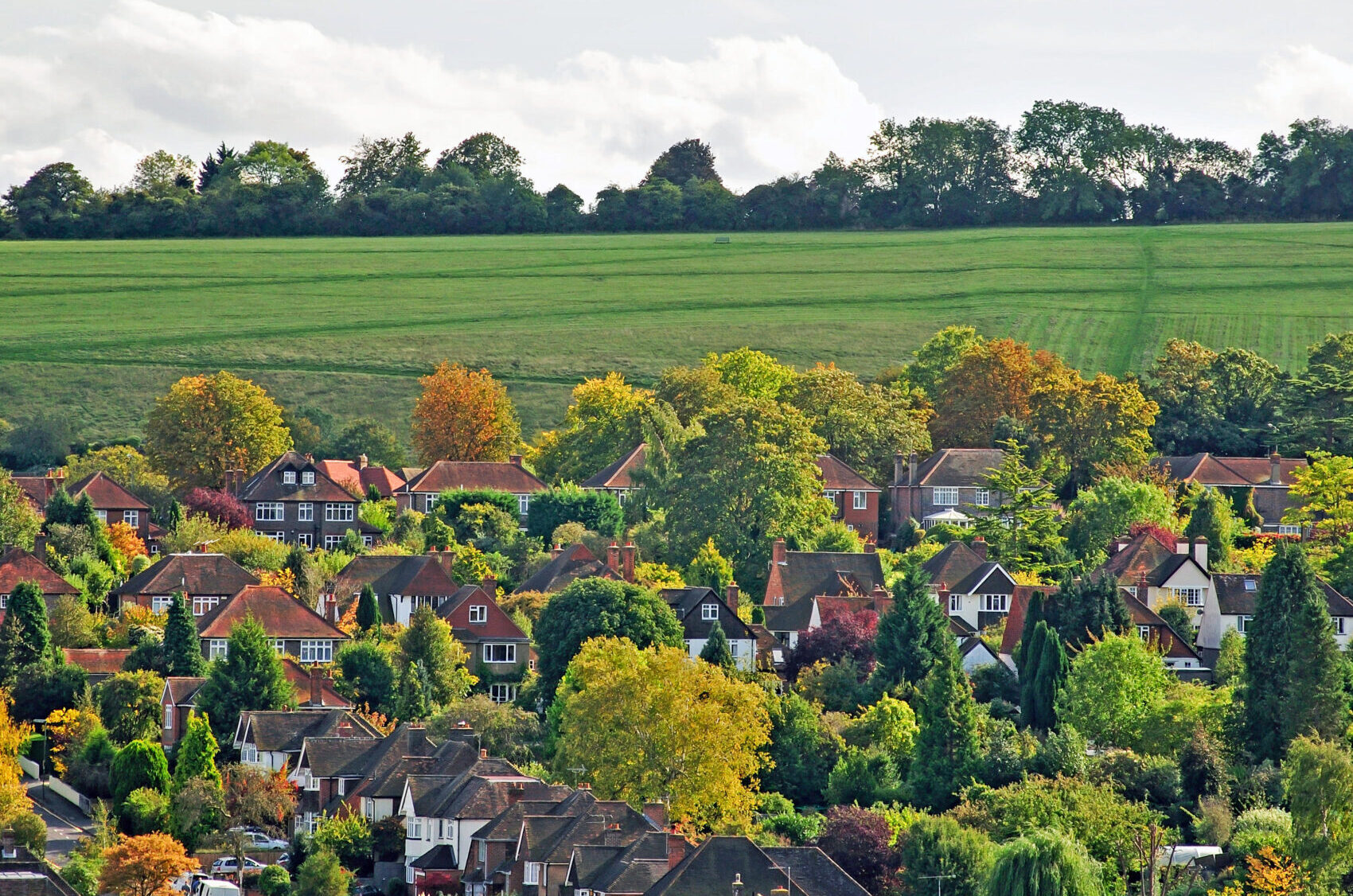
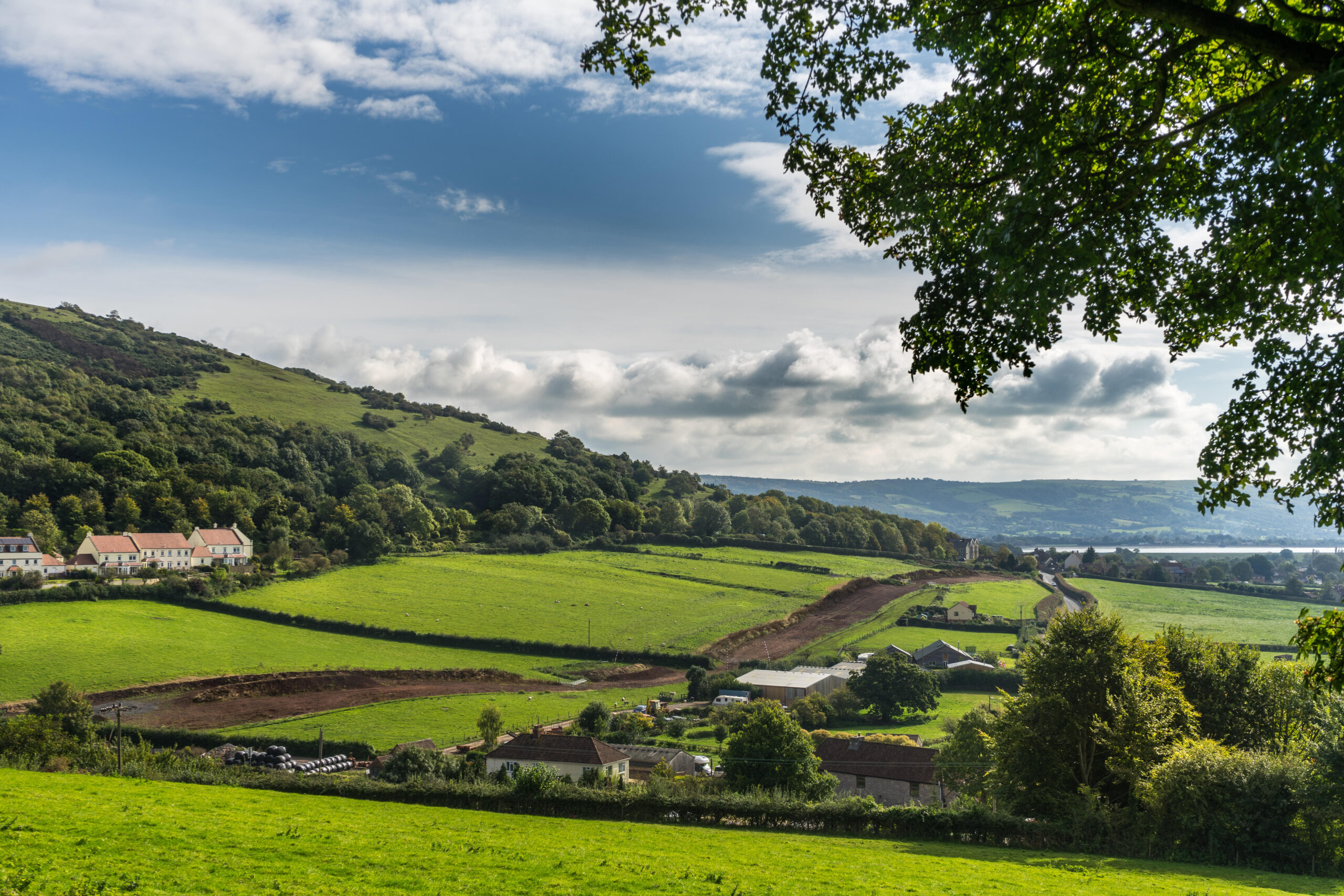
A Green Belt is designated land around towns and cities which is supposed to be undeveloped and open.

By stopping urban sprawl, Green Belts promote urban regeneration and also give people access to nearby countryside.

Many of England's major towns and cities have Green Belts around them. If yours doesn't, you can consider pushing for a Green Belt to be created. Green Belt areas have possibly the strongest controls over development of any land apart from National Parks. A campaign for a new Green Belt will, however, need a great deal of persistence and the ability to influence central as well as local government.

Check the background before you start
It's worth first finding out why you haven't a Green Belt in your area already. The first place to check is the reports around public examinations of development plans (comprising Regional Spatial Strategies and local Development Plan Documents. Examinations of former Structure Plans are also likely to be useful) covering the area you want protected. You can search these to find whether the inspector or panel ruled at on this issue previously, and whether other local groups have been pushing for Green Belt.

Your area may have some local policies which try to achieve something similar, but they will never have the same weight or permanence as protection in line with national Green Belt policy. Green Belt has the crucial presumption against inappropriate development, which local designations are not allowed to invoke, and should also continue as far as can be seen ahead, rather than merely the next plan review.

Proving the case for new Green Belt is, however, highly demanding. Government guidance in PPG2 states that boundaries of existing Green Belts should only be altered, or new Green Belts created, in exceptional circumstances -

..... "If a local planning authority proposes to establish a new Green Belt, it should demonstrate why normal planning and development control policies would not be adequate, and whether any major changes in circumstances have made this exceptional measure necessary." (Green Belts, paragraph 2.14)


Develop a sound technical case
There are five purposes for including land in Green Belts:

  • Check the unrestricted sprawl of large built-up areas
  • Prevent neighbouring towns from merging into one another
  • Assist in safeguarding the countryside from encroachments
  • Preserve the setting and special character of historic towns
  • Assist in urban regeneration, by encouraging the recycling of derelict and other urban land

These purposes are listed in the Government's planning policy on Green Belts.

An important part of making a technical case for new Green Belt is providing a realistic idea of where a clear and lasting boundary would be positioned. Paragraphs 2.8 - 2.9 of PPG2 draw attention to the need for clear definition of boundaries, using features such as roads, streams, belts of trees and woodland edges where possible.


Reflect local circumstances and include relevant reasons for having a Green Belt in each part of the area
Work out carefully which of these purposes, one or more, apply in the location where you are considering proposing a Green Belt. The more demonstrably applicable purposes, the stronger the case for a new designation. Bear in mind that different reasons may apply in different parts of the area you wish to see covered. Try to anticipate the arguments of those who might resist a new Green Belt (such as the need to not hinder development, the need for new roads) and examine those points equally carefully. The Durham case study (see link) shows that all the purposes of the Green Belt were, to some degree, factors in the creation of new Green Belt in that area.

Do not be over-ambitious, but press hard for what is reasonable
The case for designating a new Green Belt depends on making your argument effectively to your local authority, and all other local authorities that would be covered by the proposed designation. A typical Green Belt around a major town or city can cover at least three or four local authority areas. If it is not possible to achieve agreement among a number of local authorities, it may be worth pressing for a local protection policy within one local authority area instead.

It is particularly important to find evidence of where existing protective policies have been tried but found to be ineffective, as the example of Norwich in the late 1980s (see Case Study link) shows.

For example, the following circumstances might apply

  • There are no existing planning policies to constrain development in any meaningful way, with the result that 'development control' has not prevented urban sprawl, which seems set to continue.
  • 'Strategic gap' policies are present to keep the land between settlements rural, but development nevertheless chips away at the gap.
  • Countryside has been designated locally for protection from development, but pressures for development have been stronger and land within the designated area has been built on. Countryside protection policies exist but are undermined.
  • The quality of land is deliberately allowed to run down, and development then allowed on the basis that development will improve the environment.
  • Urban capacity studies show that the necessary houses (and other development) can largely be supplied on previously developed land, but greenfield sites are still allocated for development on the urban edge. Even though land has been allocated in suitable locations for necessary development, other development is nevertheless permitted on other greenfield sites which were not allocated.
  • Urban renewal policies exist but are given little chance to be effective because development is allowed on alternative greenfield sites in the urban fringe.

Accommodate necessary development
The strength of Green Belt policy in restricting all but the most limited kinds of new development means that new Green Belt will only be accepted if it is clear where necessary development will be located instead.

Green Belt should not be considered in isolation but should be proposed with a clear understanding of how it will contribute to the strategic planning of the area, as stated in Green Belts, paragraph 2.14, which says a local planning authority

... "should also show what the consequences of the proposal would be for sustainable development."

Inner Green Belt boundaries should be sufficiently tightly drawn around urban areas to achieve their principal objective of constraining inappropriate, sprawling development. Only then can they contribute to objectives such as preventing the coalescence of settlements and encouraging urban regeneration (by removing the opportunity of edge development).

At the same time, boundaries elsewhere must be drawn with a view to allowing development in more suitable locations, for example to redirect growth to locations which would otherwise not be priorities for developers or encourage the regeneration of declining rural settlements.

Green Belt designation can be tied to the reappraisal of existing strategic policy. It may assist the more effective implementation of existing policy, particularly for urban renewal and countryside protection.

It may also prompt a change of approach. For example, instead of an 'anything goes' approach to encouraging development in economically weaker areas, a new Green Belt could instead be part of a new strategy to make an area physically more attractive as a basis for enticing inward investment.